Robotic lawn mower buying guide
Find a robot mower for your lawn.
Start with the grass area you mow—not the size of your whole property. Choose a route below to go straight to a useful comparison.
Between ¼ and ½ acre? The larger models cover that area but may cost more than you need. Use the comparison to weigh capacity against cost. Over 1¼ acres? The specific models below are outside their stated coverage.
Compare the shortlist at a glance
These models have dedicated reviews or comparisons on this site. Start with capacity and cutting height, then check your yard’s most difficult area.
As an Amazon Associate, we earn from qualifying purchases. Amazon shopping links and manufacturer/dealer routes are labeled; prices and availability vary by seller and delivery location.
| Model | Rated lawn area | Cutting height | Good starting point for | Read or shop |
|---|---|---|---|---|
| Navimow i206 AWD | Up to 0.15 acre | 2–3.6 in. | Compact lawns needing traction | Read i206 AWD review → Check i206 AWD on Amazon → |
| Navimow i210 AWD | Up to 0.25 acre | 2–3.6 in. | Small lawns beyond the i206’s capacity | Compare with i206 → |
| Navimow X430 | Up to 1 acre | 0.75–4 in. | Larger lawns needing a broad height range | Read X430 review → Availability checked October 24, 2026: Navimow’s U.S. store lists the X430 as sold out. Check the official X430 product page for changes or use Navimow’s dealer locator to confirm local stock, delivery and the exact model before ordering. |
| LUBA 3 AWD 5000 | Up to 1.25 acres | 1–2.7 in. | Larger lawns maintained at a lower cut | Read LUBA 3 AWD 5000 review → Check LUBA 3 AWD 5000 on Amazon → |
Manufacturer ratings are limits to assess, not guaranteed coverage for every layout. Leave capacity for charging, weather, and fast growth. The separate LUBA 5000H has a different height range; do not order the standard 5000 for grass you maintain at 4 inches.
Three starting points, with clear next steps
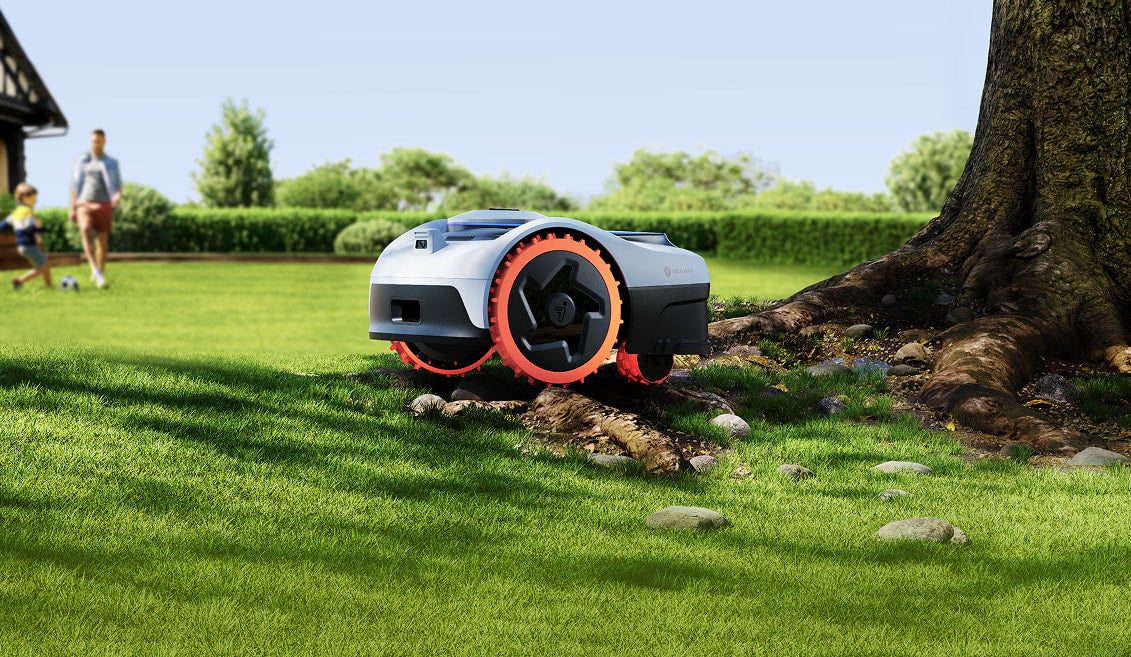
Compact lawns
Segway Navimow i206 AWD
Start here for a connected lawn comfortably below 0.15 acre. AWD is worth considering when a small yard has uneven ground.
Important fit check: Its 3.6-inch maximum does not suit a 4-inch mowing plan. Confirm positioning coverage.
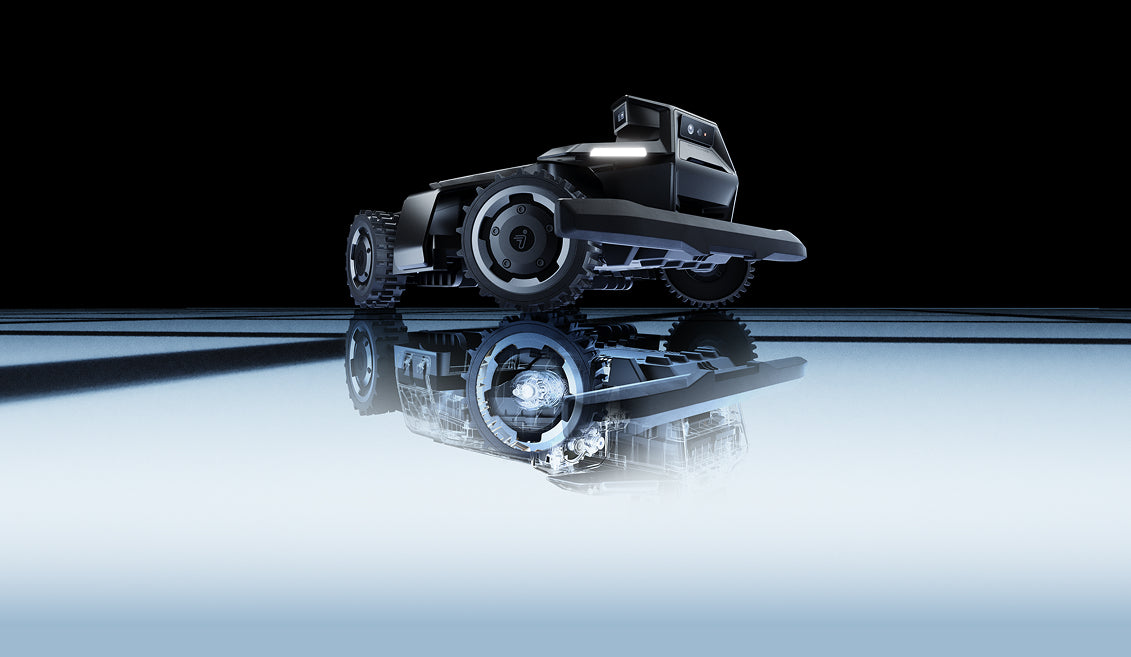
Larger lawns / broad cutting range
Segway Navimow X430
A candidate for lawns below one acre where traction and the ability to cut as high as 4 inches matter.
Important fit check: Check positioning in shaded corridors and capacity for your mowing schedule.

Larger lawns / lower-cut grass
Mammotion LUBA 3 AWD 5000
Compare this 1.25-acre model when you need more area capacity and want to assess its combined navigation system.
Important fit check: This shopping link is for the standard 5000, which stops at 2.7 inches—not the high-cut 5000H.
Manufacturer photographs show the relevant mower or series. Our recommendations are research-based; these mowers have not been personally tested by our editorial team.
Does your yard need a different approach?
Tall grass / Florida lawns
Match the exact cutting range to your grass. Standard and high-cut versions can look similar but serve different lawns.
Trees and narrow passages
Check how the mower handles your hardest corridor, not just the open lawn. A different navigation system may be worth investigating.
Slopes and uneven ground
Look at traction, turns, and boundary limits as well as the headline slope rating. Wet grass can change the challenge.
More reviews and models to research
Looking for an older model? These reviews remain available; verify current stock, support, and specifications before purchasing.
Upcoming models: LUBA 4 watchlist
We are keeping this announcement separate from the current buying shortlist. Confirm final U.S. specifications, shipping availability, and pricing before considering a purchase.
Research method: we compare manufacturer specifications, manuals, model differences, and published purchase information. Coverage figures are manufacturer claims, not results of our own testing. Guide updated September 13, 2026; X430 manufacturer availability and buying routes rechecked October 24, 2026.